Going Gluten Free? Many people try going gluten free for some part of their life – some for their health, allergies, intolerances and others simply in an effort to lose weight and live a healthier lifestyle. Going GF is a big change in your diet and is likely to affect most parts of your life.
Before making the change here are several things you should be aware of…
1) The first few days can be mentally challenging.
When you think about it most of your favourite foods probably contain gluten. Even if you know you are going gluten free for your own benefit. You may feel deprived of your favourite foods and this can get you down. Stick with it – it will get easier with time.
2) Lactose intolerance could improve – in time
If you are going gluten free because you are a celiac, you may find it difficult to digest lactose too. This is because of the intestinal damage caused by celiac disease. As your intestinal damage improves once gluten is cut out of your diet, it will be easier for your body to digest dairy products. Most people find that as they introduce dairy into their diet their reaction to lactose improves. However, going gluten free is not an overnight cure – it will take some time.
3) Your symptoms may get worse before they get any better.
As you remove gluten from your diet and introduce other grains or more vegetables and fruits your body may take a little while to adjust. Bloating and constipation may increase as a reaction to this. The lack of gluten in your diet may take some time to take a positive effect on your body in the initial stages of diet change. Again, be patient and stick at it.
4) You may find your weight changes – you may lose or gain weight.
Many people assume that going gluten free will automatically mean you will lose weight. But this is a myth. It is not necessarily the gluten in our diet that makes you gain weight and thus the lack of it that makes you lose weight. In fact, it is the fatty products that go with foods containing gluten – the refined carbs in bagels, pasta and pizza and not to mention the cheese on your pizza and pasta.
Often going gluten free means substituting pizza and pasta for more vegetables and whole grains such as unrefined rice and quinoa. This increases the fibre and reduces the carbs in your diet – which inevitably cause reduction in weight. However there is always the temptation to over eat and indulge in extra portions to compensate.
Going gluten free unavoidably means snacking on gluten free; but a frequently overlooked point is that actually gluten free snacks can often be more laden with calories than your average snack so check the label first!
5) If you’re gluten intolerant your reaction to gluten may become more extreme
Now that gluten is completely removed from your diet, if you do return to eating gluten or can’t resist a bite of glutinous (and probably very gluttonous) cake, you may find your body reacts violently. Symptoms that could occur include diarrhoea, constipation and gas as well as fatigue and joint pains. This is common even for those people who never experienced such severe symptoms whilst they were eating gluten normally.
6) You may find you do not have enough fibre and other vitamins in our diet
Many GF breads and baked products contain very little fibre and often it was the whole grain bread products in your gluten diet that provided a large portion your fibre. It is important to note that many wheat filled products are fortified with extra vitamins. However, if you are increasing the vegetables and fruits in your diet, as well as nuts and seeds these can highly increase the fibre in your diet as well as vitamins.
If you struggle to pack all those extra vegetables, fruits, nuts and seeds initially it could be a wise idea to start taking vitamin supplements whilst you adjust diet to ensure you are getting all the vitamins you need. It is worth consulting your doctor to get some advice and take relevant blood tests as you endeavour on your gluten free diet.
And here’s an exciting, healthy and delicious Gluten Free recipe to try:
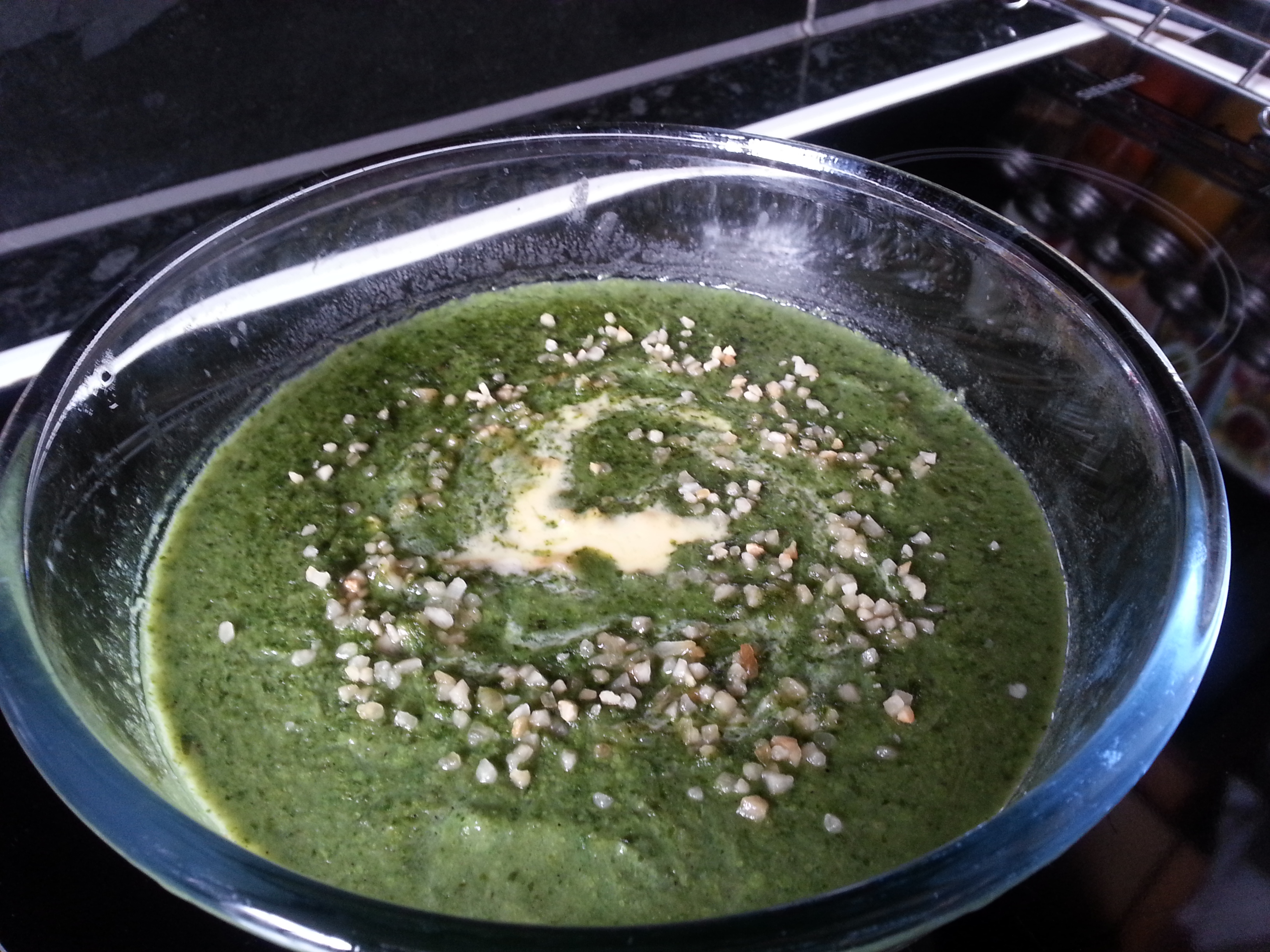
Watercress, Rocket and Spinach Soup
180g bag of rocket, watercress and spinach
2 medium onions chopped up
600ml water
2 stock cubes
4 garlic cloves finely chopped or dried chopped garlic 4 teaspoons worth
vegetable oil for frying
75g butter
3 tbsp cornflour
600ml milk
4 tbsp double cream
salt and pepper to taste
Put a frying pan on high heat. Add a little vegetable oil and turn down to a medium heat and fry off the onions and garlic until they are browning. Stir occasionally for 5-10 minutes.
Meanwhile add a 1/3 of the water to a blender and 1/3 of the rocket, watercress and spinach mix. Blend until smooth and pour into a bowl. Do this again for another 1/3 of the mix and water and on the final 1/3 add the onions and most of the garlic in too which should be browned off now. Mix together all the 3 parts in the bowl.
In the frying pan add 75g of butter and melt. Pour a small amount of the milk into a cup and add all the corn flour to it. Mix into a smooth slurry with your fingers. Pour the remainder of the milk directly into the pan and add the slurry. Constantly whisk until the mixture thickens. There should be no lumps.
Once thickened, add the mixture from the bowl into the frying pan. Crumble in the 2 stock cubes and 3 tbsp of the double cream. Add salt and pepper to taste and stir while bringing it to the boil.
Transfer into a bowl and top with the remaining 1 tbsp of cream in a swirl shape. Add the remaining garlic on top.
Et voila!
 chemist2you.org